
What Happens If You Delay Getting a Dental Crown?

A tooth that needs a crown can feel completely normal, which sometimes makes treatment seem easy to postpone. However, comfort does not tell you how much healthy tooth structure remains or whether a weakened area can continue handling normal chewing forces.
Large fillings, deep decay, cracks, or substantial wear can leave less sound enamel and dentin available to support the tooth. Waiting does not guarantee that damage will progress, but the condition that led to the crown recommendation may change while treatment is delayed.
Why Your Dentist Recommends a Dental Crown
Dental crowns cover a prepared tooth and restore shape, chewing surfaces, and areas lost through decay, fracture, wear, or previous treatment.
A crown becomes an option when a filling or another more conservative restoration cannot adequately rebuild the damaged area.
When Does a Tooth Need More Coverage?
The dentist may consider factors such as:
- the amount of healthy tooth structure remaining
- large or failing fillings
- extensive decay
- cracks or fractured cusps
- significant tooth wear
- previous root canal treatment
- forces placed on the tooth during biting
For cracked tooth treatment, the dentist evaluates where the crack extends and which parts of the tooth remain sound. Some restorable cracks may benefit from cuspal coverage, while fractures extending into unfavorable areas can make predictable restoration difficult.
Planning broken tooth repair also requires knowing where the fracture ends. Damage limited to the visible portion of the tooth presents a different restorative situation from a fracture extending below the gumline or into the root.
When consulting a cosmetic dentist in Rancho Cucamonga, patients may discuss crown shape, shade, and appearance after decay, remaining tooth structure, and bite function have been evaluated.
Risks of Delaying a Recommended Dental Crown
There is no universal waiting period for a tooth that needs a crown. Urgency comes from the condition being treated rather than a fixed number of days or weeks.
What Could Change During a Delay?
The possible consequences vary according to the original problem:
- Further fracture: Thin tooth walls or weakened cusps can break under chewing pressure.
- Deeper decay: Active decay may extend farther into dentin.
- New symptoms: Temperature sensitivity or discomfort during biting may develop.
- Reduced treatment options: Additional structural loss can make the tooth more difficult to rebuild.
- Pulp involvement: Deep decay or a crack may eventually affect the living tissue inside the tooth.
A delayed crown does not automatically lead to root canal treatment. Root canal therapy may become necessary if deep decay or a crack causes irreversible inflammation or infection of the dental pulp.
Patients considering dental crowns in Rancho Cucamonga should understand what the dentist found and whether postponement could change the treatment required.
Can You Keep Chewing on the Tooth?
A tooth with a weakened cusp or thin remaining walls may feel normal until chewing pressure causes part of it to fracture.
Your dentist may recommend modifying how you chew until definitive treatment is completed. Instructions should reflect the location and condition of the affected tooth rather than a standard list of restrictions.
Changes that deserve reassessment include:
- new pain when biting
- increasing sensitivity
- swelling around the tooth
- a newly fractured edge or cusp
- loss or damage to a temporary restoration
If new pain, swelling, sensitivity, or visible damage has you searching for a dentist near me, describe what changed when scheduling your appointment.
How a Dental Crown Restores Strength and Function
A crown restores the prepared tooth’s shape, chewing surface, and contact with neighboring teeth. The restoration provides coverage for the remaining structure, but it does not make the natural tooth immune to future decay, fracture, or periodontal problems.
Why Crown Fit and Bite Matter
When planning custom dental crowns, the dentist considers several details that affect how the finished restoration functions:
- sound tooth structure
- crown margins
- neighboring tooth contacts
- space available for the restoration
- bite relationship
- restorative material
- access for daily cleaning
After placement, the dentist checks how the crown meets the opposing teeth during biting. A contact that feels unusually heavy may need adjustment so chewing forces are distributed appropriately.
In restorative dentistry, crown planning therefore extends beyond covering a damaged surface. Tooth contacts, bite forces, structural support, and surrounding tissues all influence how the restoration is designed.
A dentist in 91730 can examine the remaining tooth structure and determine whether a crown or another restorative approach is appropriate.
Similarly, a dentist in Rancho Cucamonga, CA, can assess the current damage and explain how postponement could affect the treatment options available later.
Dental Crown FAQs
The tooth may remain unchanged for a time, but decay can deepen or weakened areas may fracture further. Risk varies with the amount and type of damage already present.
That depends on the condition of the tooth. Follow your dentist's instructions about chewing until the weakened or damaged area has been restored.
Delay itself does not cause a root canal. Root canal treatment may become necessary if decay or a crack leads to irreversible inflammation or infection inside the tooth.
There is no universal safe waiting period. The extent of decay, fracture, symptoms, and healthy tooth structure helps determine how soon treatment should be completed.
A crown can retain some damaged teeth when adequate healthy structure and periodontal support remain. Extensive fractures, root involvement, or substantial structural loss may make restoration impractical.
Let the Tooth’s Condition Guide the Timing
The reason behind a crown recommendation matters more than an arbitrary deadline. A heavily restored tooth, deep decay, a fracture, and structural wear each present different concerns when treatment is postponed.
Understanding what the dentist found can help you make an informed decision about timing before new symptoms or additional damage change the treatment options.
If you have postponed a recommended crown or noticed a change in the tooth, contact Talent Dental for an evaluation and an updated assessment.
Dental Insurance Accepted in Rancho Cucamonga
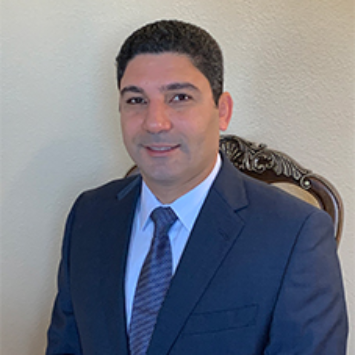
Dr. Matta Botrous
Dr. Matta Botrous designs durable Dental Crowns to restore strength and appearance to damaged teeth. Crowns are customized for proper fit and natural aesthetics. This treatment helps protect teeth from further damage. Those seeking a restorative dentist near you benefit from his precision.