
How Dental Implants Restore Chewing and Speaking Ability

Missing teeth change more than your smile. A single gap can make every meal feel frustrating, while simple conversations become moments of self-consciousness. Many people gradually adapt by chewing on one side or avoiding certain foods, often without realizing how much their quality of life has changed. Thankfully, today’s dental implants can restore the strength and stability of natural teeth, making it easier to enjoy meals, speak with confidence, and maintain a healthier smile for years to come.
How Missing Teeth Affect Everyday Function
Teeth work together as a complete system. When one or more are missing, the entire bite changes. A missing tooth can interfere with chewing, speech, and the natural balance of your bite.
Difficulty Chewing Food
Healthy teeth evenly distribute chewing pressure. Missing teeth interrupt that balance, making it harder to break down food properly.
Common challenges include:
- Avoiding crunchy fruits and vegetables
- Difficulty eating steak, nuts, or crusty bread
- Chewing mostly on one side
- Increased strain on remaining teeth
Over time, uneven chewing may contribute to excessive wear on neighboring teeth and discomfort in the jaw.
Changes in Speech
Teeth form sounds. Airflow and tongue placement depend on their position, especially for letters such as “S,” “F,” and “TH.”
A missing front tooth may cause:
- Slurred pronunciation
- Whistling while speaking
- Difficulty articulating certain words
- Reduced confidence during conversations
As a result, some people become more self-conscious when speaking with family, friends, or coworkers.
Bone Loss Begins Quickly
After a tooth is lost, the jawbone beneath it no longer receives regular stimulation from chewing. Research published by the American Academy of Implant Dentistry notes that bone loss can begin within the first year following tooth loss, making early replacement beneficial for preserving oral structures.
How Dental Implants Restore Natural Function
Unlike removable solutions, implants replace both the visible tooth and its root. This creates a secure foundation that functions much like a natural tooth root.
A Strong Foundation for Everyday Use
Over the healing period, the titanium implant becomes firmly anchored within the jawbone through osseointegration, providing long-term stability. Once healed, it provides excellent stability for daily function.
For patients replacing one missing tooth, a single-tooth dental implant restores function without affecting neighboring healthy teeth.
Improved Chewing Efficiency
Since implants are fixed securely in the jaw, many people feel comfortable eating foods they had previously avoided.
Benefits include:
- Improved biting strength
- Improved food breakdown
- More balanced chewing
- Greater comfort during meals
Many patients gradually return to foods they had previously avoided after receiving clearance from their dentist.
Clearer, More Natural Speech
Since implants remain fixed in place, they eliminate movement that may occur with removable appliances. This stability helps many people pronounce words more naturally.
When topped with an implant-supported crown, the restoration closely resembles the size, shape, and function of a natural tooth, supporting both appearance and speech.
Expert Insight
From a clinical perspective, replacing missing teeth promptly helps maintain bite alignment and preserves healthy jawbone. Restoring function early often reduces the risk of future complications involving surrounding teeth.
Long-Term Benefits of Dental Implants for Oral Health
Restoring function is only part of the picture. Dental implants also support long-term oral wellness.
They Help Preserve Jawbone
Because implants stimulate the jaw during chewing, they help reduce bone loss associated with missing teeth. Maintaining bone volume also supports facial structure over time.
They Protect Neighboring Teeth
Traditional bridges often require reshaping adjacent teeth. An implant restores the missing tooth independently, preserving healthy enamel whenever possible.
They Support Daily Comfort
Because they are fixed in place, implants stay secure while you eat, talk, and smile.
Long-term advantages include:
- Stable bite function
- Greater day-to-day comfort
- Easier oral hygiene
- Improved confidence
- Better support for surrounding teeth and bone
Patients seeking a dentist in Rancho Cucamonga, CA, often ask about long-term value, and implants remain one of the most durable tooth replacement options when properly maintained.
Actionable Steps for Maintaining Dental Implants
After treatment, healthy habits help protect your investment.
- Brush twice daily using a soft-bristled toothbrush.
- Clean around the implant with floss or interdental brushes.
- Attend routine dental examinations and professional cleanings.
- Avoid smoking whenever possible, as it may affect healing.
- Nighttime teeth grinding can place extra pressure on an implant, so your dentist may suggest wearing a custom nightguard.
Patients visiting a dentist in 91730 should follow individualized maintenance recommendations based on their oral health needs.
Final Thoughts
A complete smile is about more than aesthetics. Dental implants can help you eat comfortably, speak with confidence, and support lasting oral health. If you’re thinking about treatment, a qualified cosmetic dentist in Rancho Cucamonga can evaluate your needs and recommend the most suitable option.
For personalized guidance and comprehensive implant care, Talent Dental offers patient-centered treatment tailored to your oral health goals.
Frequently Asked Questions
Yes. Once healing is complete and your dentist approves normal function, implants provide excellent stability, allowing most people to chew comfortably.
They often do. By replacing missing teeth with stable restorations, implants help restore proper tongue placement and pronunciation.
Adjustment varies by individual. Most people begin with softer foods during healing and gradually return to a normal diet as advised by their dental professional.
Generally, yes. Because implants are anchored within the jawbone, they do not move the way removable dentures sometimes can.
Yes. Depending on your needs, implants can support individual crowns, bridges, or even full-arch restorations.
Dental Insurance Accepted in Rancho Cucamonga
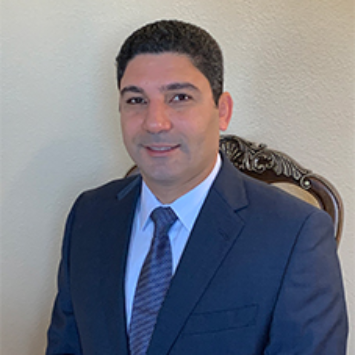
Dr. Matta Botrous
Dr. Matta Botrous restores missing teeth with Dental Implants that provide long-term stability and function. Implant treatment helps preserve jawbone health while restoring confidence. Each case is carefully planned for optimal results. Patients searching for a reliable dentist near you benefit from his implant expertise.